Blog Article
Read Coco Coir Blog Articles
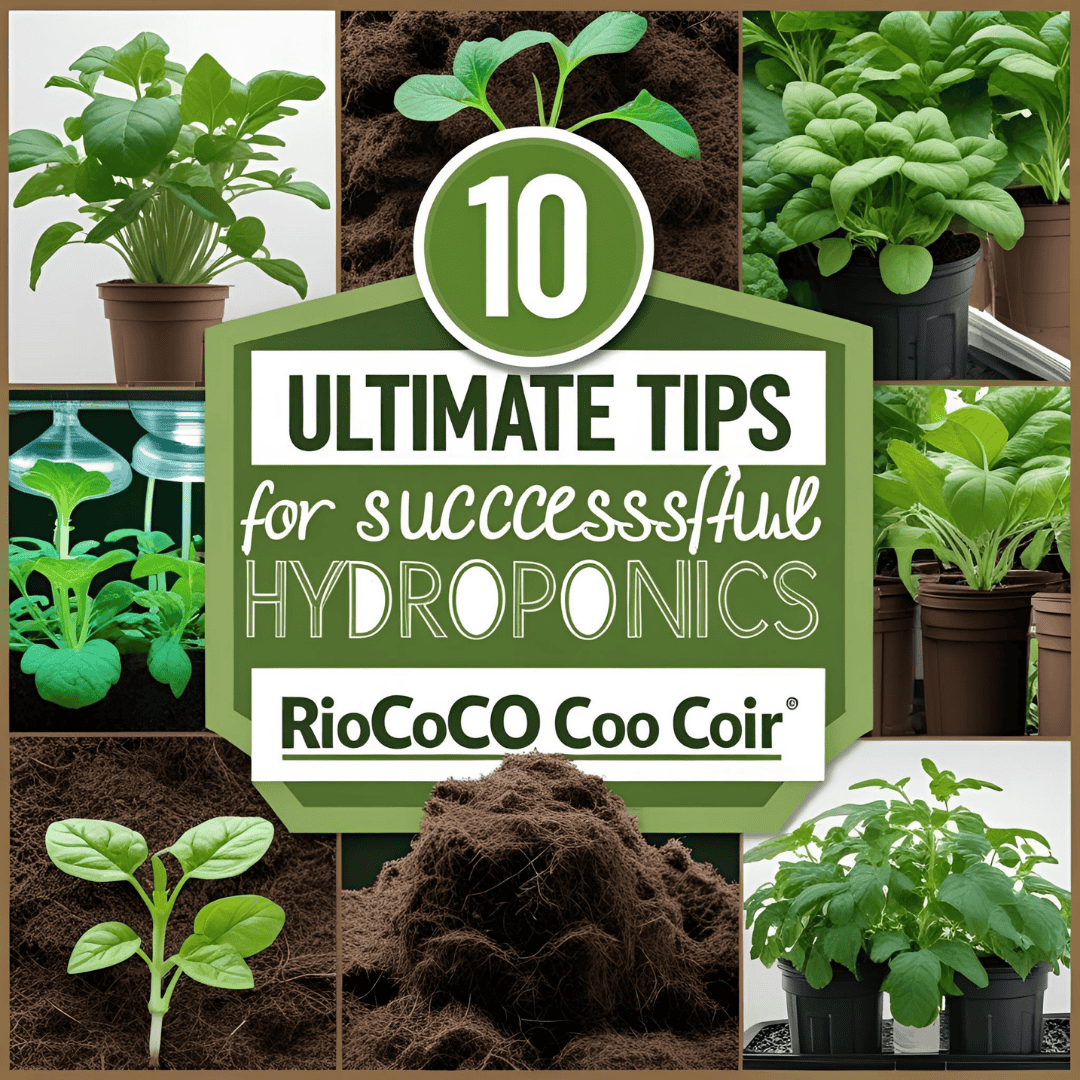
10 Ultimate Tips: RIOCOCO Coco Coir for Hydroponics Success
POSTED ON: June 22, 2025
RIOCOCO Coco coir for hydroponics has revolutionized modern U.S. greenhouses because this renewable coconut‑derived medium combines stellar aeration, moisture retention, and eco‑credibility. Moreover, growers ranging from backyard hobbyists to large‑scale commercial farms embrace coco coir for hydroponics to replace peat and stone wool, therefore boosting yields while shrinking their carbon footprint.
Table of Contents
- Why Choose RIOCOCO Coco Coir for Hydroponics?
- 10 Ultimate Benefits of Coco Coir for Hydroponics
- The Science Behind Coco Coir for Hydroponics
- Step‑by‑Step Setup Guide
- Common Mistakes to Avoid
- Buying Guide: Selecting Quality Coco Coir for Hydroponics
- FAQs About Coco Coir for Hydroponics
- Conclusion
Why Choose RIOCOCO Coco Coir for Hydroponics?
Because coconut palms produce husks year‑round, coco coir represents an annually renewable resource. In addition, coco coir for hydroponics maintains a pH near 6 and possesses a cation exchange capacity around 60 meq/100 g, therefore stabilizing nutrient availability. Compared with peat, coir bricks compress to one‑eighth their hydrated volume, so freight emissions plunge. Moreover, disposing of spent coco involves simple composting, enriching garden beds rather than clogging landfills.
9 Ultimate Benefits of Coco Coir for Hydroponics
1. Coco Coir for Hydroponics Turbo‑Charges Root Aeration
The fibrous matrix forms micro‑channels that deliver ample oxygen directly to root hairs. Consequently, studies at Cornell CALS recorded a 25 % increase in tomato root length compared with perlite.
2. Coco Coir for Hydroponics Retains Optimal Moisture
Each gram of coir can absorb up to 9 g of water while draining excess fluid swiftly. Therefore, plants experience consistent hydration without suffocation.
3. Coco Coir for Hydroponics Balances pH Naturally
With a native pH between 5.7 and 6.5, coco complements the nutrient uptake range of leafy greens, basil, and peppers. Moreover, pH adjustments become infrequent, saving labor.
4. Coco Coir for Hydroponics Cuts Carbon Emissions
A Nature Climate Change article demonstrates that swapping peat for coir slashes cultivation‑related CO₂ by up to 70 %.
5. Coco Coir for Hydroponics Boosts Nutrient Buffering
Cation sites hold calcium, magnesium, and potassium, releasing them gradually. Consequently, nutrient swings are minimized, and deficiencies are rare.
6. Coco Coir for Hydroponics Resists Pathogens
Heat‑pasteurized coir is virtually sterile. Furthermore, beneficial Trichoderma fungi colonize the medium, outcompeting Pythium spp.
7. Coco Coir for Hydroponics Simplifies Logistics
Compressed 5 kg bricks expand to up to 20L of ready‑to‑use media. Therefore, freight costs and warehouse footprints contract.
8. Coco Coir for Hydroponics Integrates with Any System
From Dutch buckets to vertical NFT, coco adapts effortlessly. In addition, drip emitters penetrate coir grow bags without clogging.
9. Coco Coir for Hydroponics Enhances Flavor Profiles
Because nutrients remain bioavailable, fruits like strawberries and tomatoes develop higher Brix levels, leading to sweeter harvests.
The Science Behind Coco Coir for Hydroponics
Coco fiber comprises roughly 45 % lignin and 44 % cellulose. Lignin shields against microbial degradation, extending structural throughout use. Moreover, hollow fibers and sponge‑like pith enable capillary action, transporting moisture evenly throughout slabs. Therefore, electrical conductivity remains stable across the root zone.
The medium’s negative surface charge attracts ammonium, potassium, and calcium ions. Consequently, coco functions as a nutrient reservoir that feeds roots between fertigation pulses. Furthermore, coco’s slow biodegradation means structural porosity persists, unlike peat which compacts rapidly.
Step‑by‑Step Setup Guide
Step 1 – Hydrate Coconut Coir Bricks
Place bricks in a tote, add warm water slowly, and allow expansion. Moreover, break apart clumps for uniform texture.
Step 2 – Buffer Your Coco Coir for Hydroponics
Soak the hydrated medium in a crop specific nutrient solution.
Step 3 – Transplant Seedlings
Insert seedlings or transplants.
Step 4 – Monitor EC and pH
Measure runoff weekly. Adjust feed EC and monitor pH levels.
Common Mistakes to Avoid
- Not Buffering: Skipping Ca‑Mg buffering invites calcium deficiencies.
- Over‑Compaction: Pressing coco undermines porosity; therefore, fluff lightly.
- Neglecting Runoff: In addition, stagnant runoff accumulates salts, harming roots.
- Using Low‑Quality Coco: Cheap coir may contain tannins; invest in reputable brands like Riococo.
- Under‑Irrigating: Surface dryness can mask inner dryness; use moisture sensors.
Buying Guide: Selecting Quality Coco Coir for Hydroponics
Lab Certificates: Look for EC < 0.5 mS cm‑1 and pH 5.7–6.5. Moreover, OMRI or RHP certification proves rigorous processing.
Packaging: Ensure packaging is up to par for storage and use.
Sustainability: Ensure mmaterials are sourced ethically with fair‑trade labor practices.
FAQs About Coco Coir for Hydroponics
1. Does coco coir for hydroponics need special nutrients?
Choose a coco‑specific nutrient line with elevated calcium and magnesium to offset cation exchange.
2. Can I use coco coir as a stand alone for hydroponics?
Yes. Coco coir can be used in a variety of garden types.
3. Is coco coir for hydroponics better than stone wool?
Coco is renewable and biodegradable, whereas stone wool disposal incurs landfill fees. Therefore, many growers favor coco.
4. Where can I buy high‑quality coco coir for hydroponics in the U.S.?
Riococo supplies premium coco coir!
Conclusion
Ultimately, RIOCOCO coco coir for hydroponics offers unrivaled sustainability, root health, and logistical advantages. Moreover, by following the proven tips outlined above, you can harness coco’s full potential to amplify yields and quality. Therefore, explore Riococo’s OMRI‑listed coco solutions today and elevate your hydroponic success story.
External references: Coir – Wikipedia; Nature Climate Change Study; Cornell CALS