Blog Article
Read Coco Coir Blog Articles
9 Must‑Have Coco coir Products for Sustainable Living
POSTED ON: June 22, 2025
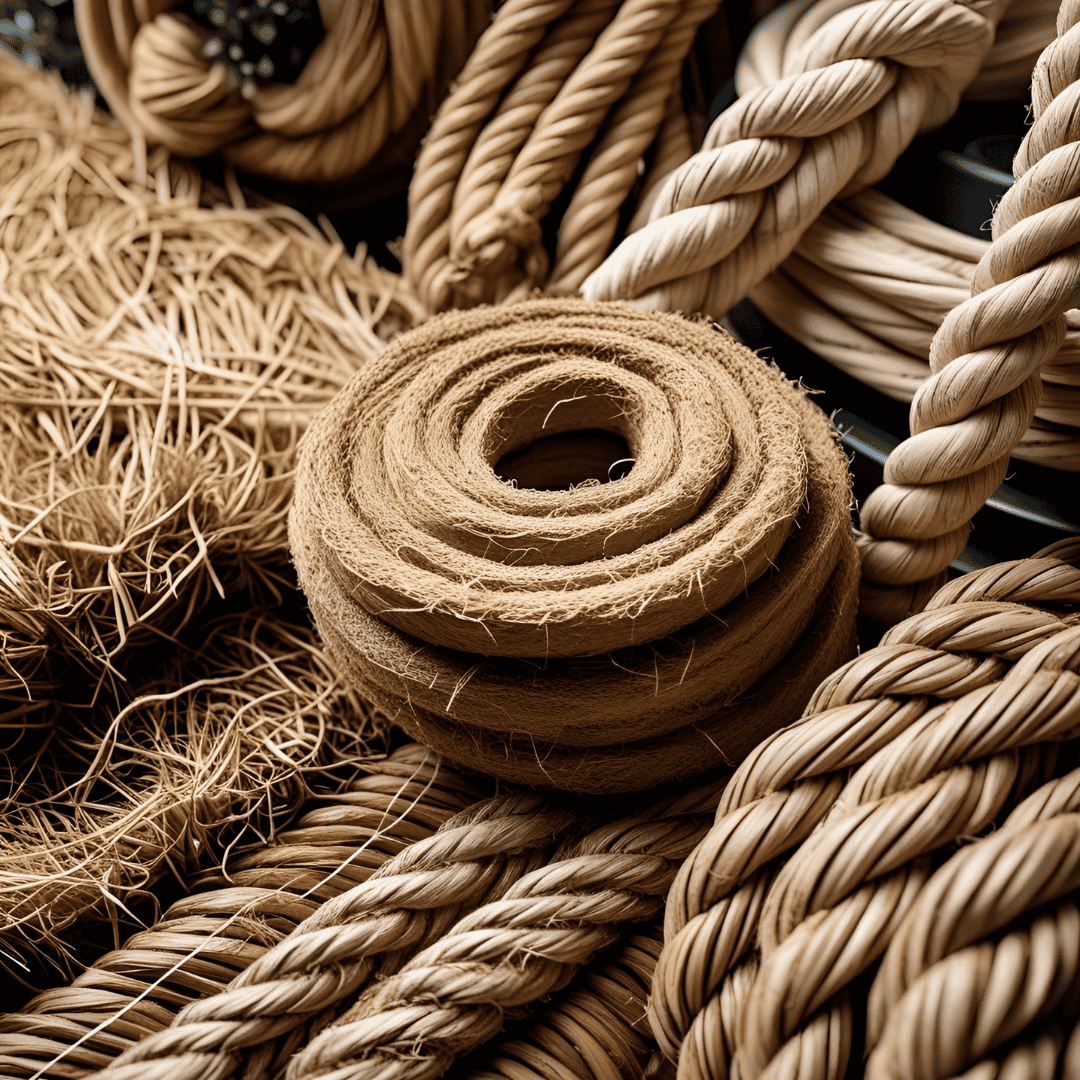
Coco coir products are captivating consumers across the United States because these coconut‑derived innovations offer unbeatable sustainability, durability, and versatility. Coco coir products span from garden substrates to erosion‑control solutions and fashionable home décor. Therefore, whether you are a homeowner, commercial grower, or eco‑conscious contractor, understanding the wide array of coco coir products can save money, elevate performance, and reduce environmental footprints.
Table of Contents
- Why Choose Coco Coir Products?
- 9 Must‑Have Coco Coir Products & Their Uses
- The Science Behind Coco Coir’s Performance
- Buying Guide: How to Evaluate Coco Coir Products
- Sustainability Impact of Coco Coir Products
- FAQs About Coco Coir Products
- Conclusion
Why Choose Coco Coir Products?
Because coconut palms shed husks every harvest, coco coir fiber is an annually renewable resource. Moreover, coco coir products decompose naturally at the end of their lifecycle, therefore diverting waste from U.S. landfills. In addition, engineers value coco coir’s high lignin content, which grants notable UV resistance and tensile strength, outlasting many peat and jute alternatives.
9 Must‑Have Coco Coir Products & Their Uses
1. RIOCOCO Coir Mix
Use: Ready-to-use loose mix, ideal for potting, soil amendment, or large planters. Washed up to 5 times—salinity-free and great for organic gardening.
2. RIOCOCO Natural PCM Compressed Brick
Use: High-porosity block for creating custom substrates. Perfect when you want to adjust substrate texture or moisture levels. Heat-treated and ready for use.
3. RIOCOCO Open Top Bags
Use: Durable biodegradable eco pure or mesh bag for container gardening—great for tomatoes, peppers, herbs and more. Provides excellent drainage and root aeration.
4. RIOCOCO Grow Bag 100
100% natural coir mix—high water retention, moderate aeration. Ideal for moisture-loving crops like leafy greens and strawberries
5. RIOCOCO Grow Bag 200
Blend of coir mix and chips—balanced moisture and aeration, suitable for most veggie crops
6. RIOCOCO Grow Bag 300
Chip-heavy for high aeration, excellent for fruiting plants like tomatoes and peppers.
7. RIOCOCO Grow Bag 400
100% coir chips—max drainage and root development; ideal for long-season plants or reuseable containers
8. Propagation Plugs (e.g., 25 mm, 32 mm)
Compressed plugs for seeds or cuttings; retain moisture and airflow—super clean seed-starting medium.
9. Starter Blocks (R101, R102, R103)
Square-shaped, biodegradable blocks for early root growth. Easy transplant and balanced water/air ratio during propagation.
The Science Behind RIOCOCO’s coco coir’s Performance
RIOCOCO coco coir fiber comprised of lignin and cellulose, according to Wikipedia. Therefore, it withstands degradation in wet conditions longer than jute. Moreover, the negative charge sites on coco coir’s lignocellulosic matrix confer a cation exchange capacity enabling nutrient buffering in horticultural coco coir products. In addition, capillary action within the hollow fibers distributes water evenly, preventing anaerobic pockets.
Buying Guide: How to Evaluate Coco Coir Products
- Check EC & pH Certificates: Buffered coco coir products should register EC below 1.0 mS cm‑1 and pH between 5.7–6.5.
- Inspect Fiber Length: Longer fibers increase porosity. Therefore, ask suppliers for sieve analysis data.
- Verify Sustainability Labels: Look for OMRI, FSC, or GOTS certifications. Moreover, these labels prove ethical sourcing.
- Assess Packaging Quality
Sustainability Impact of Coco Coir Products
Switching from peat to coco coir products can reduce carbon emissions by up to 70 %, according to a Nature Climate Change study. Moreover, coconut plantations absorb CO₂ year‑round, whereas peat bog mining releases stored carbon. Therefore, coco coir aligns with U.S. ESG procurement goals. In addition, spent coco coir substrates can be composted, returning nutrients to the soil.
FAQs About Coco Coir Products
1. Do coco coir products attract pests?
No. Properly processed coco coir is pest free.
2. Are coco coir products safe for organic farming?
Buffered, low‑EC coco coir meets USDA organic standards. Moreover, OMRI‑listed brands such as Riococo are fully compliant.
3. Where can I buy premium coco coir products in the U.S.?
Leading suppliers like Riococo stock a wide selection and ship nationwide within 48 hours.
Conclusion
In conclusion, coco coir products deliver an unbeatable fusion of performance, sustainability, and economic value. Moreover, their versatility—from hydroponic substrates to coastal erosion solutions—means there is a coco coir product for virtually every application. Therefore, if you aim to reduce your ecological footprint while boosting efficiency, integrate coco coir products into your toolkit today. Finally, explore the extensive collection at Riococo and join thousands of Americans adopting coco coir’s eco‑forward revolution.
External references: Coco coir – Wikipedia; Nature Climate Change: Peat vs. Coco coir Emissions; USDA